Artists
Artists in the Collection
39 artists · Page 1 / 5
Adnan Turani
Textural surfaces and lyrical abstraction; abstract compositions at times accompanied by the figure
Adnan Turani (1925, Istanbul – 2016, Ankara) was one of the pioneering figures of the abstract tendency in Turkish painting and, at the same time, a theorist of art. He completed the Painting and Handicrafts Department of the Gazi Institute of Education in Ankara in 1948; in 1953 a state scholarship took him to Germany, where he worked at the academies of Munich, Stuttgart and Hamburg under teachers including Willi Baumeister. On his return he taught at the Gazi Institute of Education and subsequently at Hacettepe and Bilkent universities. With books such as "Dünya Sanat Tarihi" (A History of World Art) and "Çağdaş Sanat Felsefesi" (The Philosophy of Contemporary Art) he produced the standard reference works of art literature in Turkey.
- ·Went to Germany on a state scholarship in 1953; worked under teachers including Willi Baumeister
- ·Head of the Painting Department, Faculty of Fine Arts, Bilkent University
- ·Sedat Simavi Foundation Visual Arts Award (1993)
Ahmet Oran
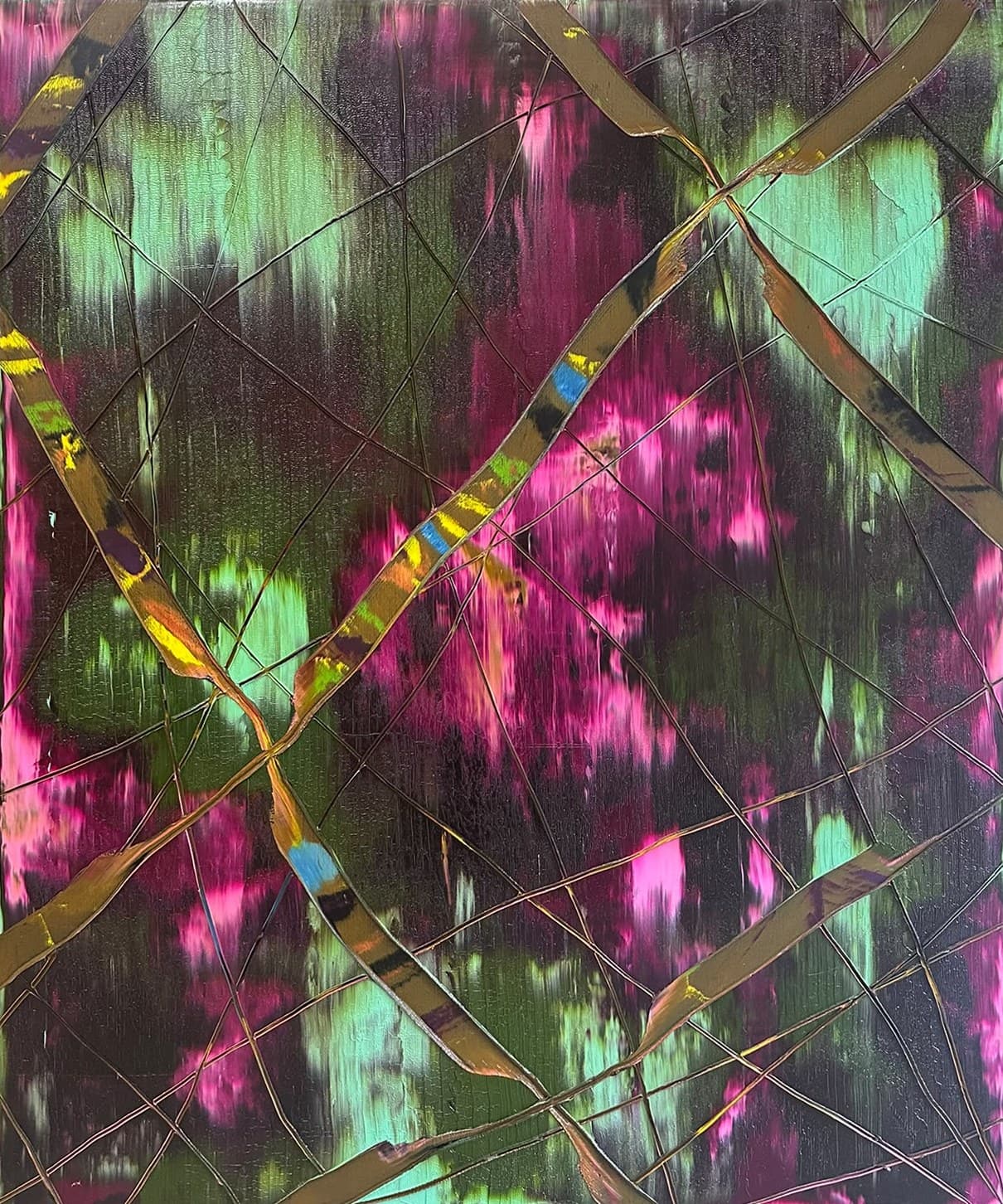
A lyrical abstraction built by layering paint and scraping into it with the spatula, its surfaces divided by webs of incised line
Ahmet Oran (b. 1957, Çanakkale) began his training in the studio of Adnan Çoker at the İstanbul State Academy of Fine Arts; from 1980 he studied with Carl Unger at the University of Applied Arts Vienna, completing his education in the studio of Adolf Frohner and receiving his diploma in 1987. For many years he has worked without brushes, laying paint down in successive layers and scraping into it with spatulas of varying width — and at times with slender twigs — to build webbed, richly textured surfaces. He continues to work between Istanbul and Vienna.
- ·His work is held in the collection of Istanbul Modern (Dr. Nejat F. Eczacıbaşı Foundation Collection)
- ·A print is held in the collection of the Lentos Kunstmuseum, Linz
- ·Studied with Carl Unger and Adolf Frohner at the University of Applied Arts Vienna
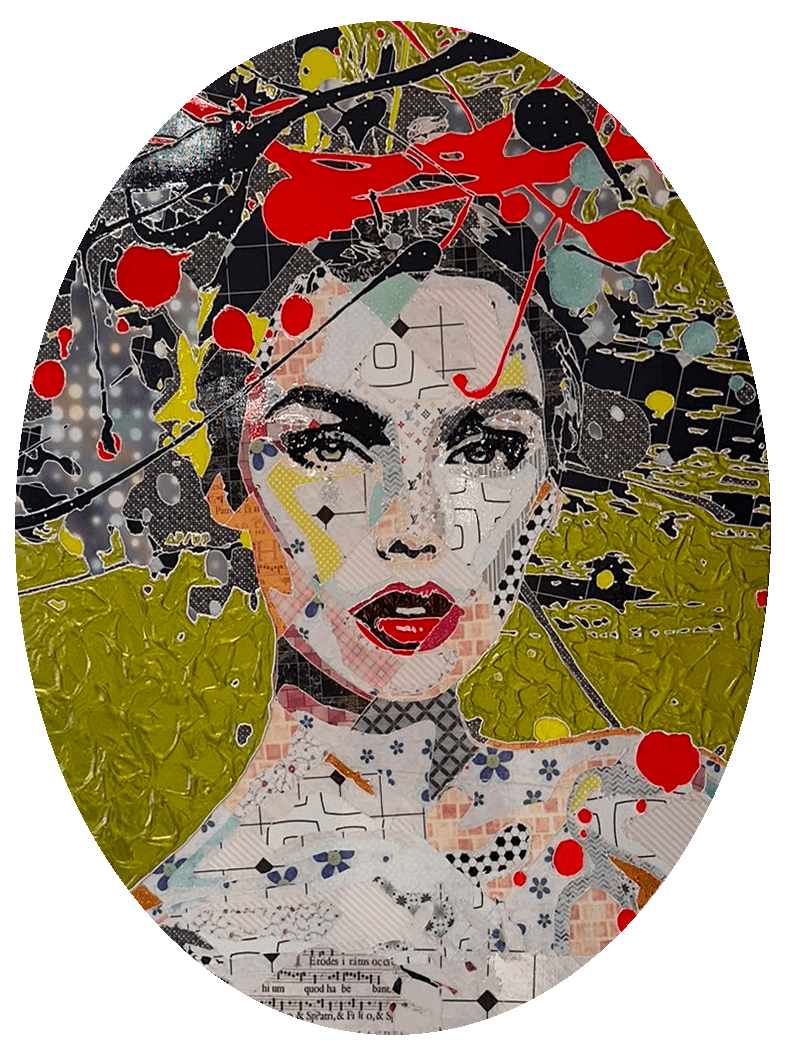
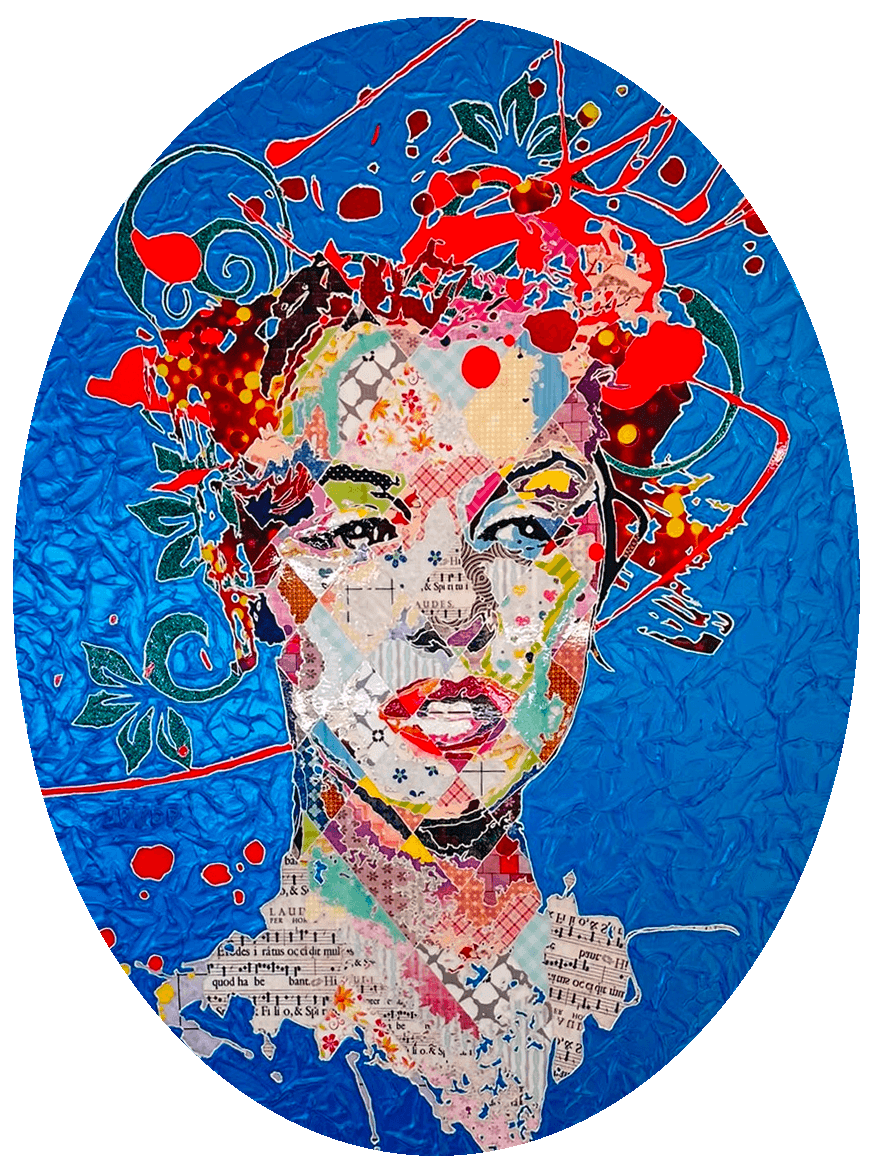
Alea Pınar Du Pre
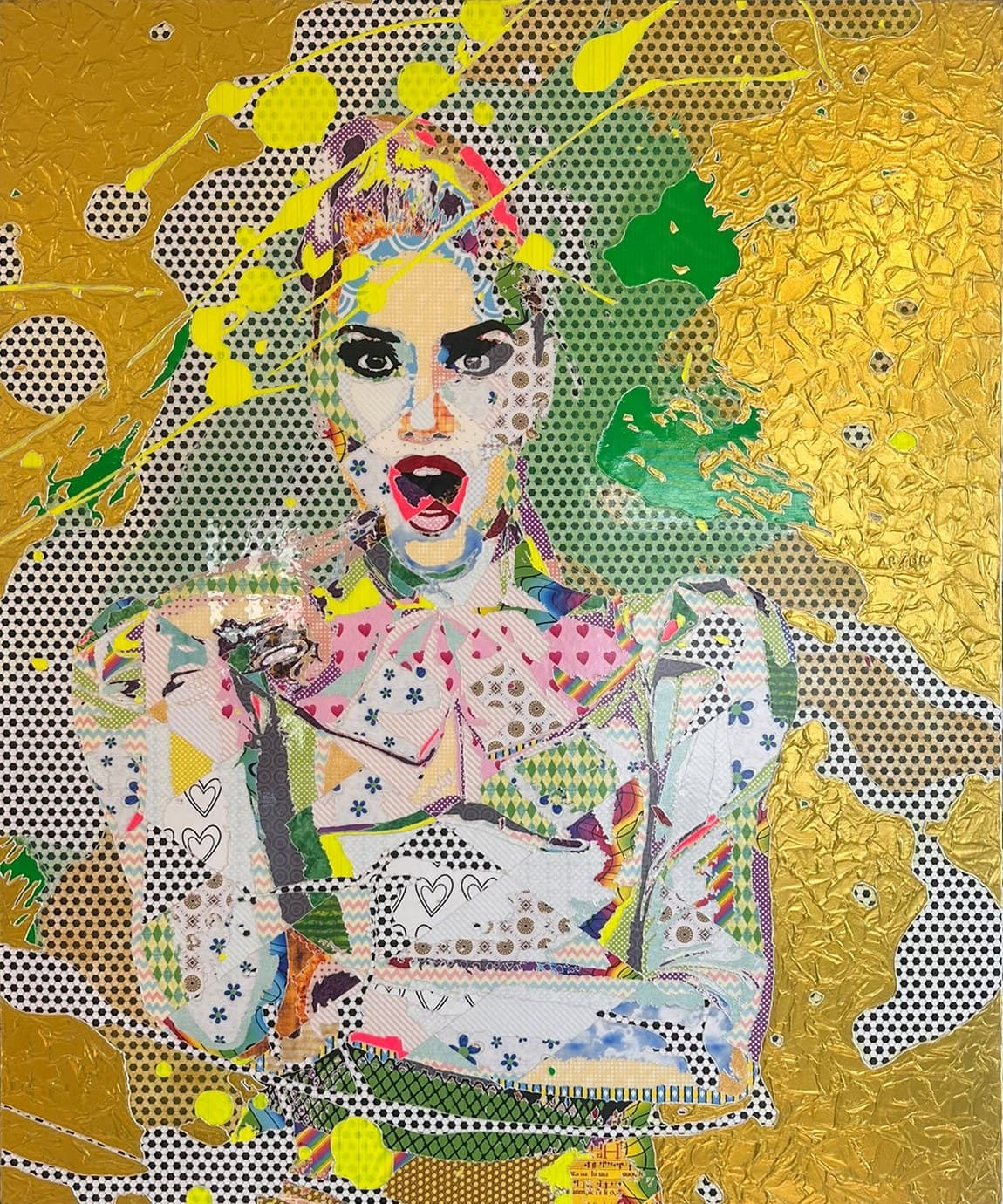
Mixed-media pop portraits in a "media fusion" technique that blends digital art with traditional painting
Alea Pınar Du Pre (b. 1972, Vienna) is an Austrian-Turkish contemporary artist who lives and works between Amsterdam and Istanbul. Through a signature technique she calls "media fusion", uniting digital art with traditional media such as oil and acrylic, she produces mixed-media portraits constructed layer by layer; her work interrogates the boundary between visible reality and the virtual. Since 2008 her work has been exhibited internationally, including in the United States, the United Kingdom, France, Austria, Turkey, Singapore, Hong Kong and Dubai.
- ·Works held in the collections of Sabancı Holding, Koç Holding, Ferko Holding, Odeabank and ICBC Bank
- ·Originator of the "media fusion" technique
Arif Bedii Kaptan
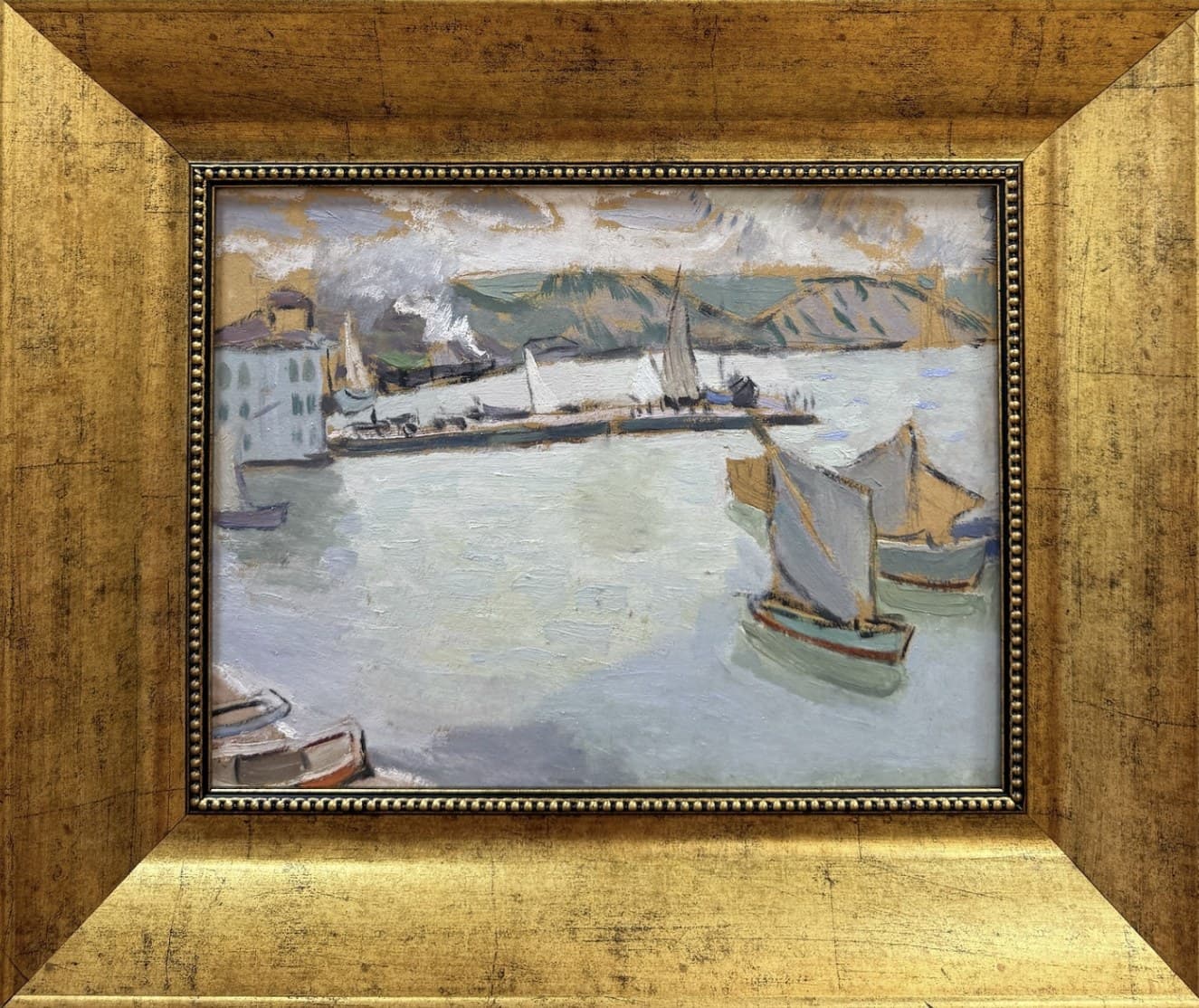
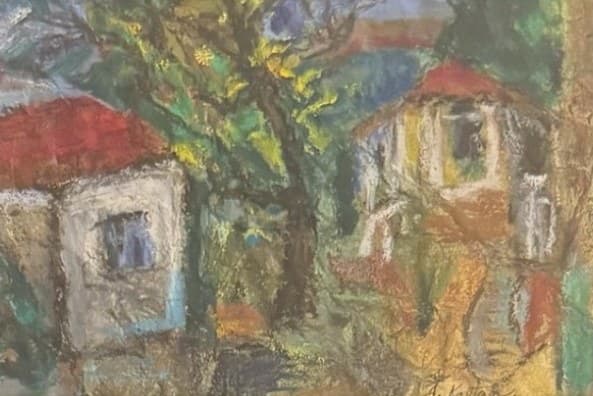
A colourist language reaching from impressionist landscape through constructive design to lyrical abstraction
Arif Bedii Kaptan (1906, Istanbul – 1979) was one of the pioneering figures in Turkish painting's turn towards abstraction. After graduating from the Naval Academy on Heybeliada as a mechanical engineer in 1924, he devoted himself to painting; private lessons with Nazmi Ziya Güran shaped his early impressionist landscapes, while his years working alongside Ali Avni Çelebi drew him towards a more constructive approach. He held his first solo exhibition in 1935 in the halls of the Academy of Fine Arts, took part in the exhibitions of the Society of Fine Arts and of the d Group, and received third prize at the 1st State Painting and Sculpture Exhibition in 1939. Between 1947 and 1949 he worked in André Lhote's studio in Paris; returning to the city in 1957, he remained there until 1962, producing lyrical abstract works and becoming one of the first representatives of that idiom in Turkey. His works are held in the collection of the Ankara State Museum of Painting and Sculpture; he also wrote for the press of his day and published two books, on Claude Monet and on Delacroix.
- ·Third prize at the 1st State Painting and Sculpture Exhibition, 1939
- ·André Lhote's studio in Paris, 1947–1949; a second Paris period, 1957–1962, and the turn to lyrical abstraction
- ·His works are held in the collection of the Ankara State Museum of Painting and Sculpture
Bayram Gümüş
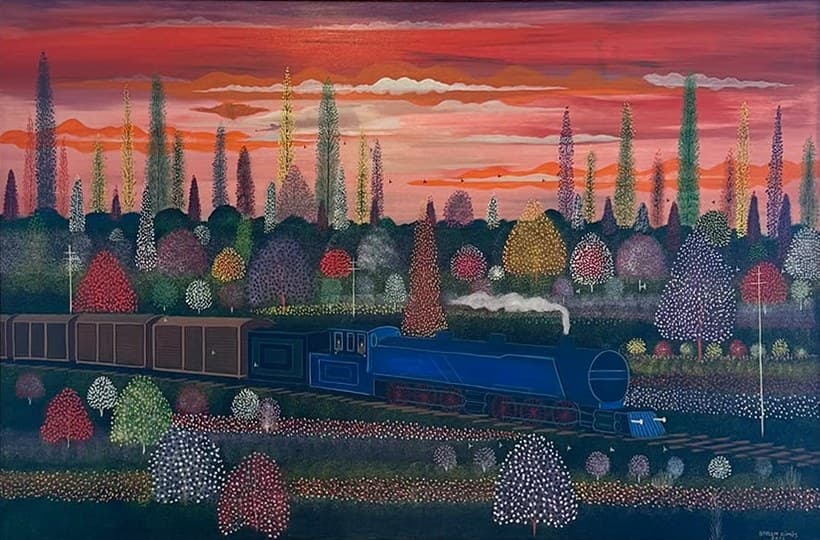
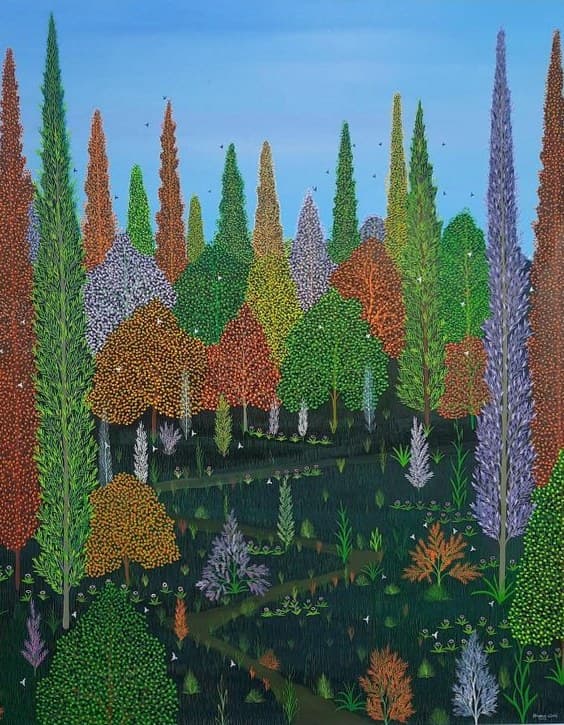
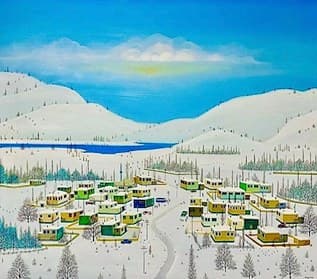
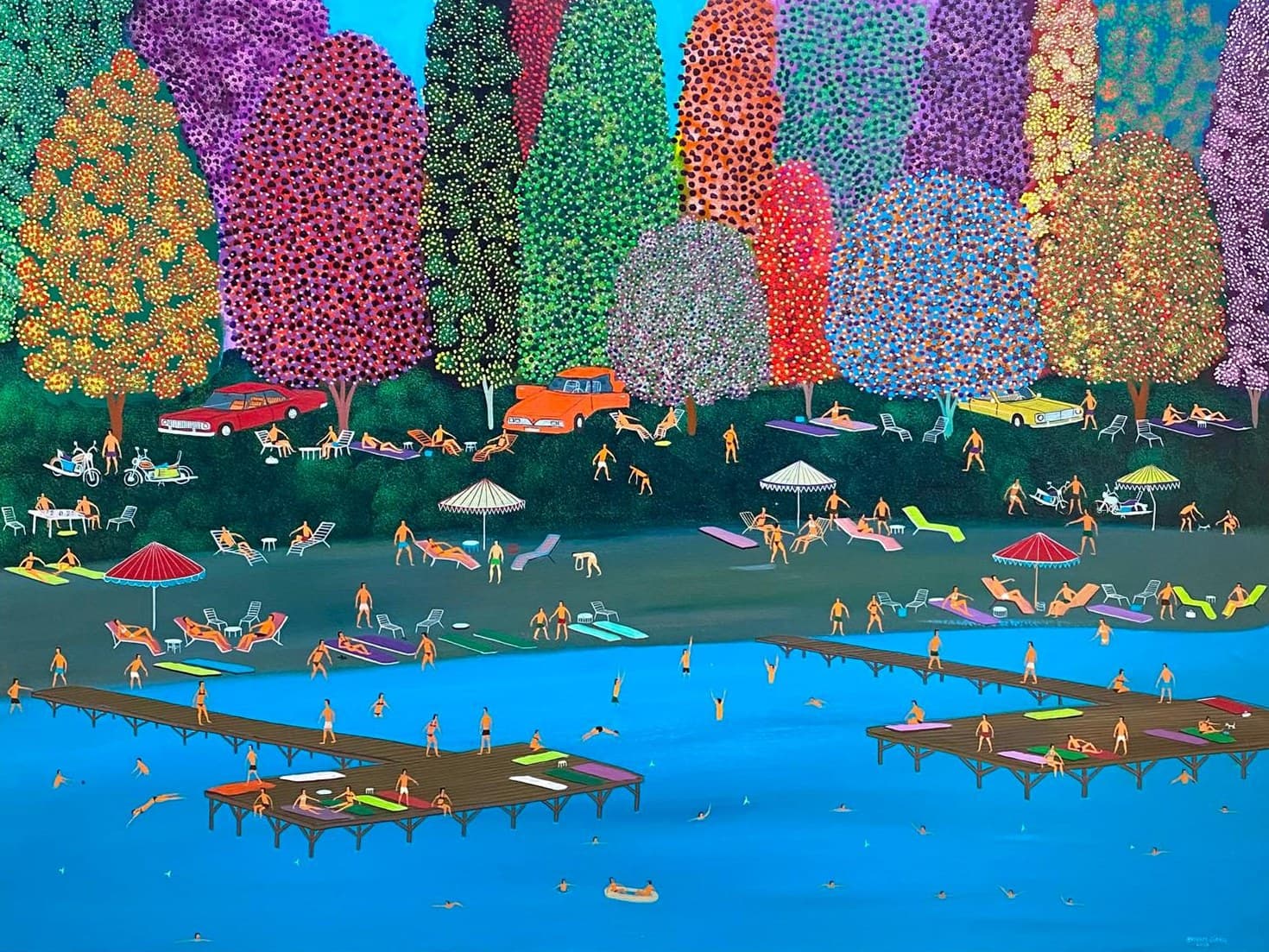
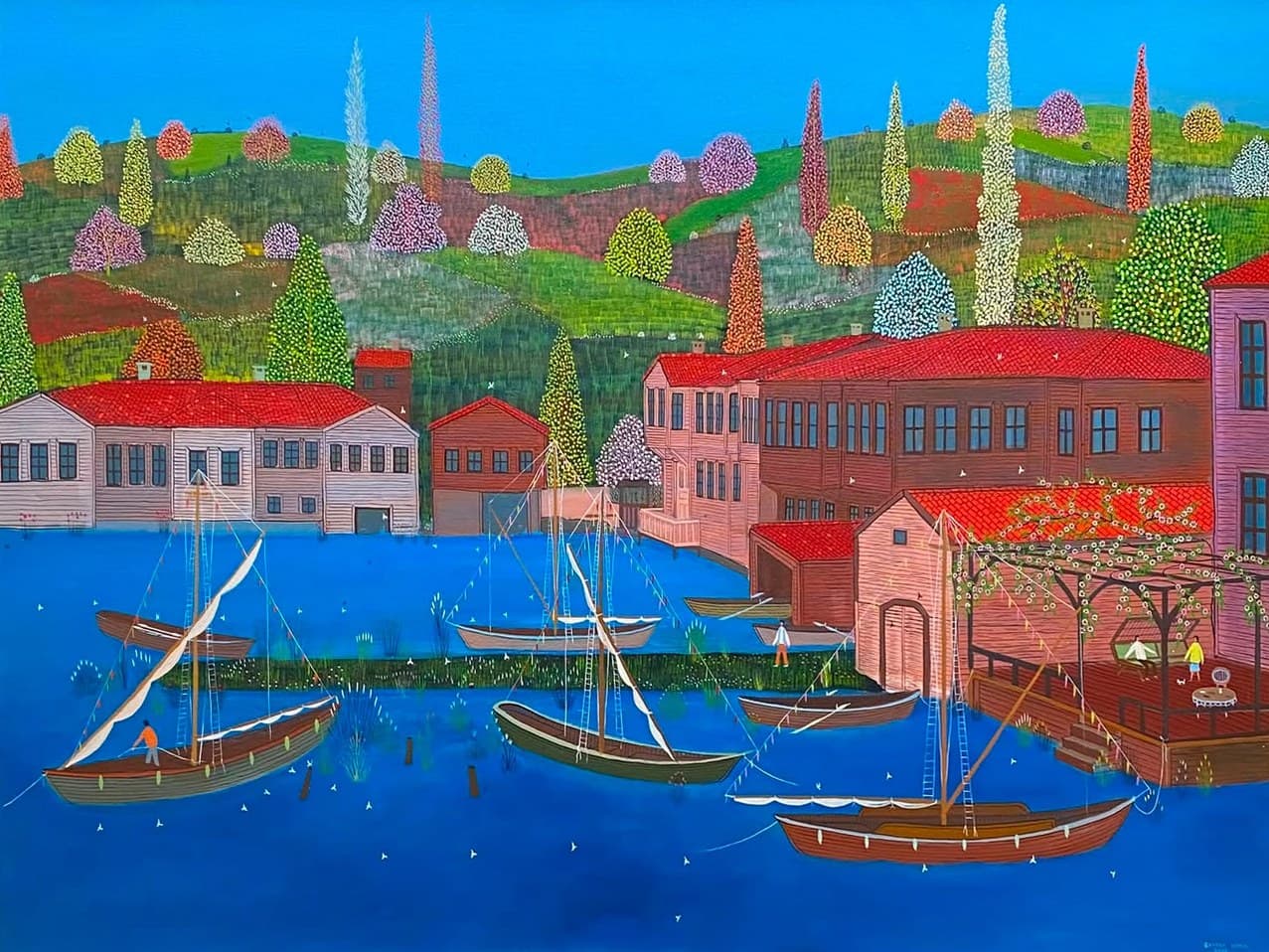
A naïve idiom rendering trains, nature and scenes of everyday life with meticulous, finely wrought detail
Born in Konya in 1960, Bayram Gümüş moved with his family to Istanbul in 1967. A meeting with the painter Kasım Koçak in 1983 gave new direction to his practice; the following year he opened his own studio and began to earn his living as a painter. One of the leading representatives of Turkish naïve painting, he brings the joy of living and the delight of the everyday to canvas with a wholly distinctive sense of colour. He held his first solo exhibition in Ankara in 1985 and has since exhibited widely in Turkey and the United States.
- ·Fourteen solo exhibitions in Turkey and California since 1985
- ·More than 25 appearances at the TÜYAP Art Fair (1994–2019)
Bubi
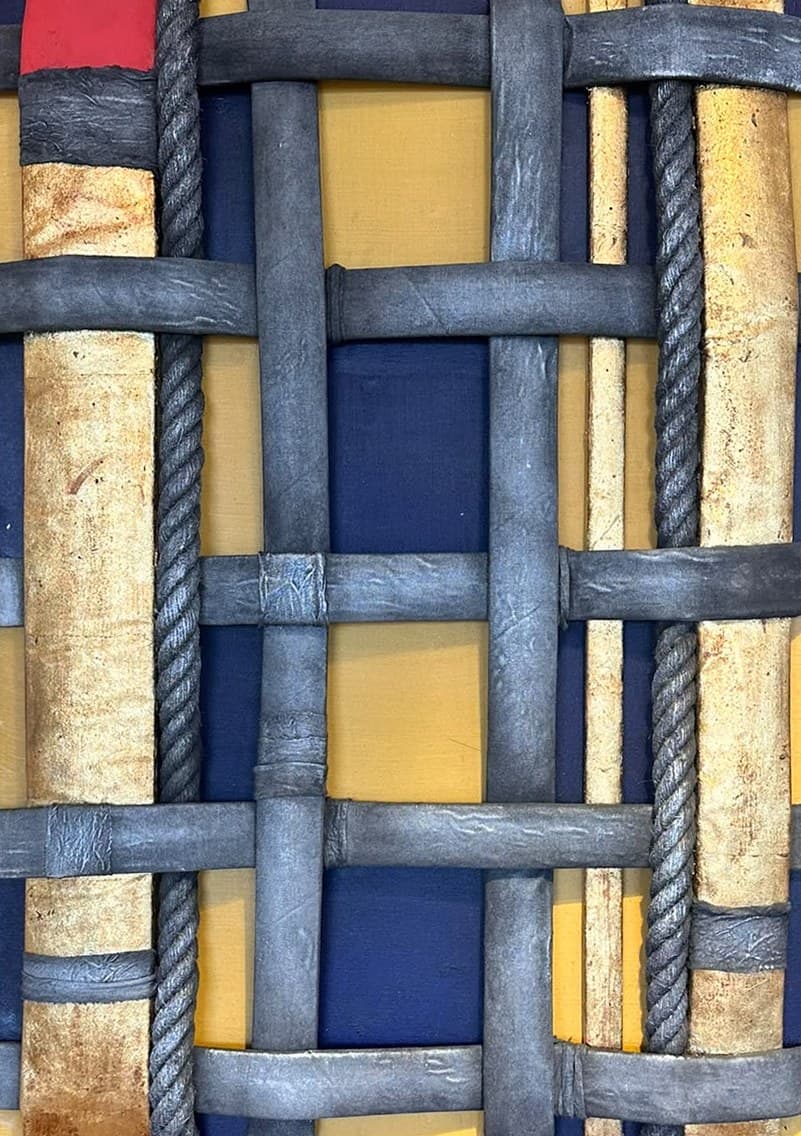
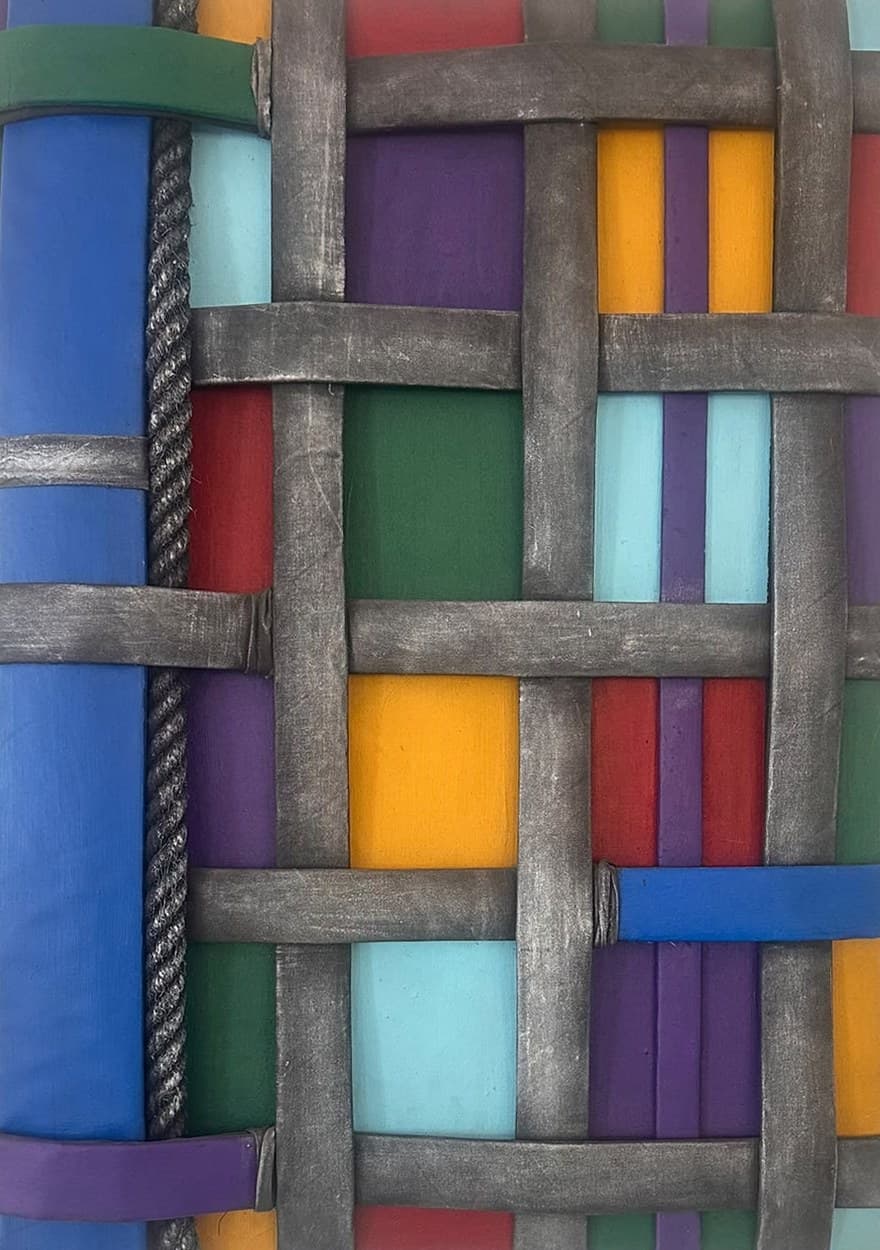
An abstract language that weaves fabric cords and rolled canvases into cage-like structures, carrying painting into three dimensions
Born in Istanbul in 1956, Bubi (David Hayon) studied psychology and anthropology at Istanbul University before turning to painting as a self-taught artist. He is known for his "Cage" structures, in which painted cords of fabric and rolled canvases are interlaced into horizontal and vertical weaves — works that carry the traditional canvas into relief and into the three-dimensional object, constituting an entirely original language. The artist lives and works in Istanbul.
- ·The "Cages" series: woven structures extending the limits of painting into three dimensions
- ·General curator of the 1st Istanbul Art Fair (1991)
- ·"The Bubi Periods", a comprehensive retrospective (Istanbul, 2016)
Burcu Yavuz
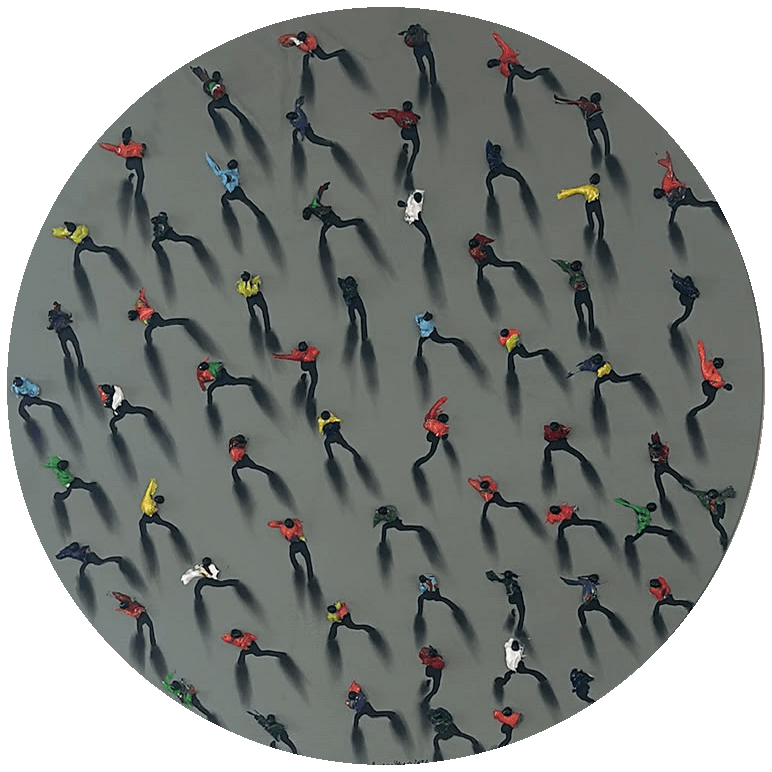
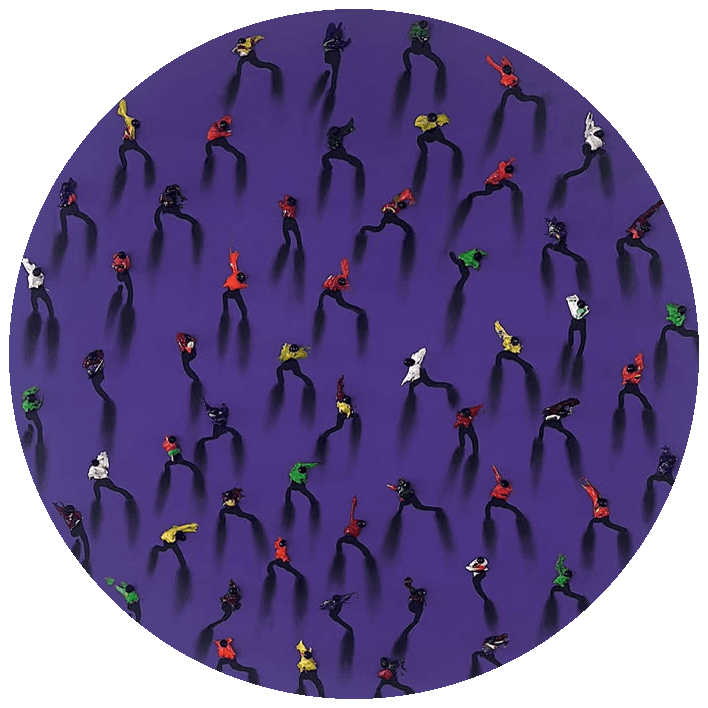
A contemporary idiom uniting void, depth and movement in three-dimensional figurative arrangements on canvas
Burcu Yavuz (b. 1979, Karabük) is a contemporary Turkish artist who graduated from the Faculty of Fine Arts at Marmara University in 2001. Shaped by metaphysical inquiry and the unknowability of the universe, her practice brings void, depth and movement to the canvas through three-dimensional arrangements, notably in her "Purgatory", "Frequency" and "Cycle" series. She has taken part in numerous solo and group exhibitions in Turkey and abroad, and lives and works in Bodrum.
- ·Two works held in the collection of a contemporary art museum in Qatar
- ·Known for the "Purgatory", "Frequency" and "Cycle" series
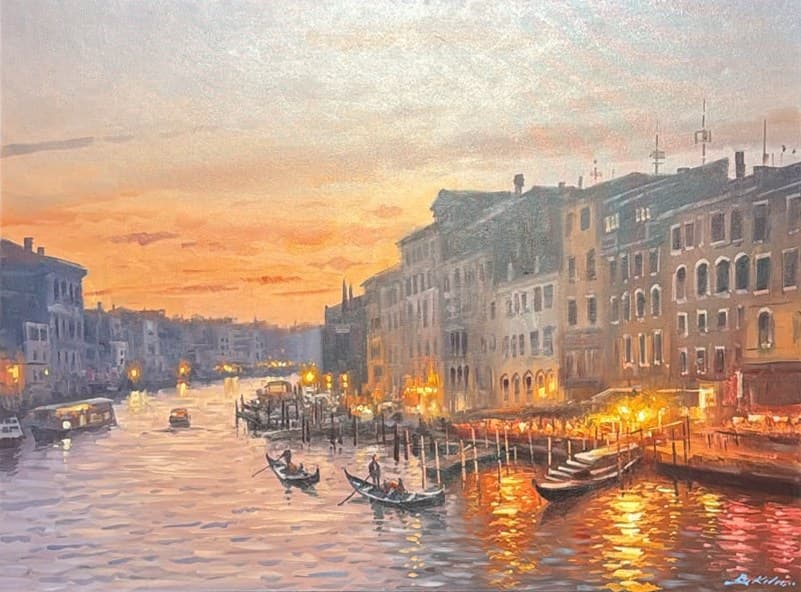
Bülent Kılıç
A contemporary idiom rendering the cityscape in free brushwork built upon light and its reflections on water
Bülent Kılıç (b. 1974, Tekirdağ) took painting as a minor subject during his studies at the Faculty of Education of Trakya University; after a period of teaching, he continued his training at Mimar Sinan University and devoted himself entirely to painting. He is known for his cityscapes of Istanbul — its quarters, its islands and the shores of the Bosphorus — and his works regularly find buyers at Turkey's leading auction houses. He continues to work from his studio in Istanbul.
- ·Solo exhibition at the Ministry of Foreign Affairs of the Republic of Turkey (Ankara, 2014)
- ·"Across the Bosphorus" solo exhibition (California, USA, 2013)